
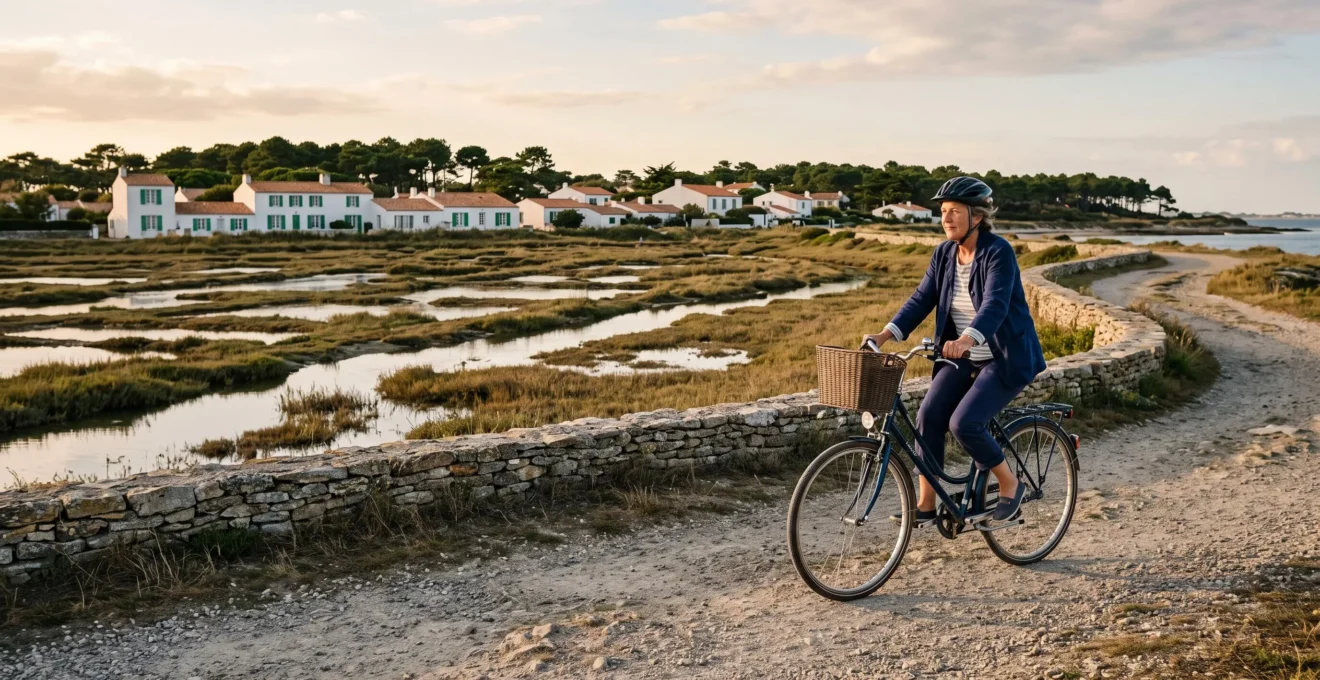
Direct answer: The best outdoor activities on Île de Ré are the ones that match your season and your time on the island: cycling is the fastest way to see villages and salt marshes, walking suits quieter coastal corners, and beach or water activities depend heavily on wind and tides.
If you are planning a short break, the main challenge is not finding things to do on Île de Ré—it is choosing what is feasible without wasting time on logistics. The island is compact, but conditions change quickly: summer crowds, winter wind, and tide timetables can reshape a day.
The practical approach is to pick one “backbone” activity (often cycling), then add one slower experience (a walk in dunes or salt marsh scenery) and one tide- or weather-dependent slot (beach, paddleboarding, or shellfish gathering when it is allowed). The sections below give clear season windows, difficulty level, and local rules where they matter.
A quick way to choose your outdoor plan on Île de Ré
- First-time visitor, short weekend: prioritise cycling between villages, then add one sunset walk.
- With children or beginners: stick to flat, short cycle loops and calm beach time; keep tide-dependent plans as optional.
- Sporty profile: longer cross-island rides + a longer coastal walk in quieter hours (morning/evening).
- Visiting in peak summer: start early and plan village stops outside the busiest hours to reduce congestion.
- Want something unique: schedule low-tide time for shoreline discovery and check local rules before collecting anything.
What Makes Île de Ré a Top Destination for Outdoor Activities?
Île de Ré works particularly well for outdoor breaks because you can combine very different landscapes in a short time: beaches and dunes, salt marshes, vineyards, and villages with distinct character. That variety is what helps you avoid spending a whole weekend doing “just one thing”.
Another advantage is how easy the island is to cross. According to the Office de Tourisme de l’Île de Ré, the island is 30 km long, mostly flat, and has a réseau de 138 km de pistes cyclables, which makes outdoor exploration accessible even if you are not a confident cyclist.
What does “ideal for a short stay” mean in practice?
For a weekend, “ideal” means you can chain activities without long transfers. A realistic pattern is: cycle in the morning (to cover distance efficiently), stop in a village for lunch, then switch to a slower activity in the late afternoon (a coastal walk or time on the beach). This structure keeps your best energy for moving and your quieter time for views.
Cas pratique
Hypothetical weekend plan: arrive on Saturday morning, choose a flat cycle ride that links one village, salt-marsh scenery, and a beach stop; keep Sunday for a shorter walk in dunes or along a coastal path, and reserve a flexible slot around low tide if you want shoreline discovery (without locking your whole schedule to the tide table).
Cycling the Island: Salt Marshes, Villages and Coastal Paths
Season: cycling is workable most of the year, but comfort depends on wind, rain, and summer heat. Level: the island’s mostly flat terrain makes cycling suitable for beginners, especially if you choose shorter loops and take breaks in villages.
When people ask “Can I cycle everywhere on the island?”, the practical answer is that cycling is often the easiest way to connect major villages and landscapes, but you still need to respect signage—especially near sensitive natural areas—and adapt your route to crowds in peak season.
Which cycling routes should you prioritise on a weekend?
If your time is limited, prioritise routes that give you three “Ré essentials” in one ride: a village centre, salt-marsh scenery, and a coastal stretch. This combination delivers variety quickly and reduces the risk of spending half a day getting oriented.
To decide faster, compare these two simple route styles:
| Decision factor | Easy coastal loop | Salt-marsh crossing + village stop |
|---|---|---|
| Best for | First-timers who want sea views with minimal navigation | Visitors who want “marsh + village life” in one ride |
| Season window | All year, with calmer conditions outside stormy days | All year; late-day light often suits marsh landscapes |
| Effort level | Beginner | Beginner to intermediate (more stop/start and route choices) |
| Time profile | Short to medium outing, easy to compress | Medium outing, better if you can allow extra time for stops |
| Main limitation | Can feel busy in peak summer on popular stretches | Less about fitness, more about planning your stop timings |
What local rules matter in protected natural areas?
If your ride approaches the Lilleau des Niges sector (near Les Portes-en-Ré), be extra strict about where you go: the Maison du Fier (site manager) explains that the nature reserve has two different regulatory zones, and that access is restricted in the reserve itself and activities such as hunting and fishing are regulated depending on the zone (with specific exceptions for private landowners). Check the réglementation de la réserve naturelle before including this area in your plan, and follow on-site signage once there.
Peak-season cycling reality: in summer, the easiest way to keep cycling enjoyable is to start earlier and use villages as timed breaks, not spontaneous detours.
Is Hiking the Best Way to Explore Île de Ré on Foot?
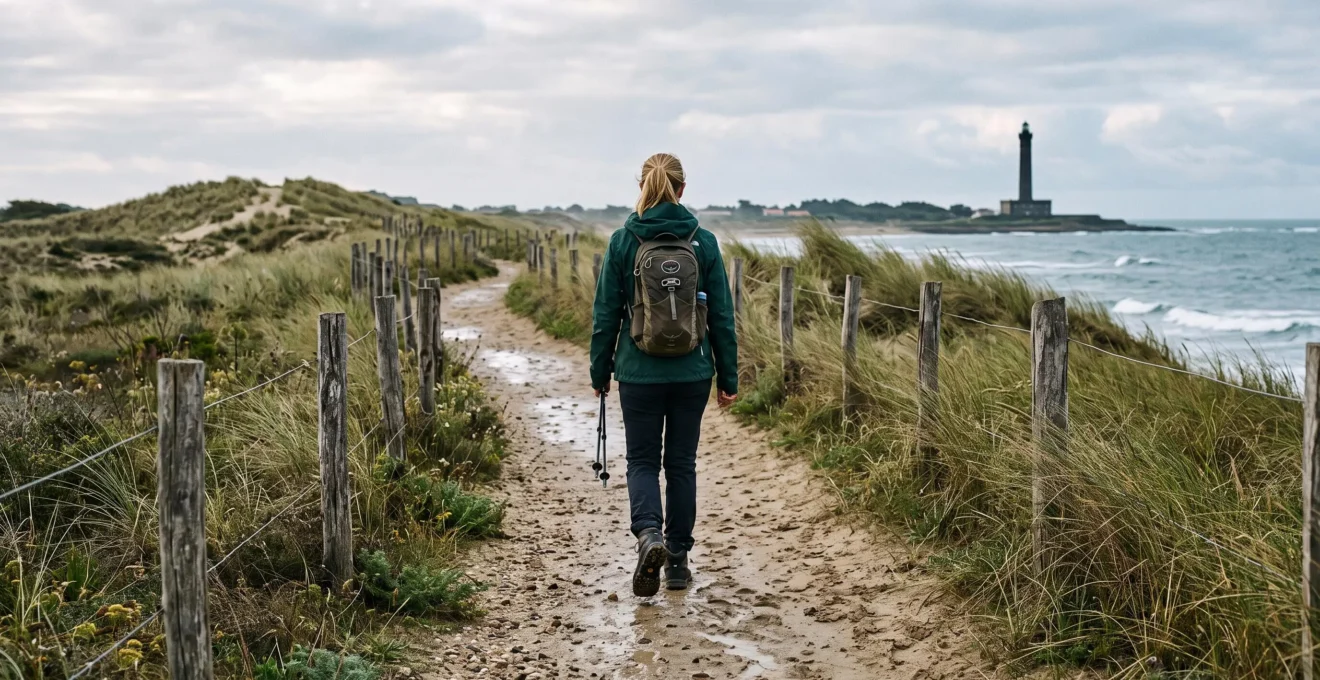
Not always. Walking is the best way to explore Île de Ré when your goal is detail, calm, and wildlife-friendly observation, but it is slower than cycling for linking multiple villages in a short break. Season: walking is pleasant across a long season, with extra care needed in hotter summer hours or on windy, exposed stretches. Level: many footpaths are accessible to beginners if you choose short distances and bring water and sun/wind protection.
When does walking beat cycling on Île de Ré?
Walking beats cycling when you want to slow down in landscapes that are more about atmosphere than distance: dunes, quiet coastal stretches, and the edges of salt marshes near sunset. On foot, you can stop without worrying about bike handling, sand patches, or busy intersections.
If you are hesitating between the two for a first visit: use cycling to “understand the island’s layout” fast, then keep one walk to experience a place more deeply. For a broader perspective on why walking often feels more immersive, see this page on why hiking matters.
A simple beginner checklist before choosing a footpath
- Season and timing: aim for morning or late afternoon in summer; choose sheltered routes on very windy days.
- Surface: sand and dunes can feel harder than expected—shorten your plan if you see long sandy stretches.
- Logistics: decide your finish point first (loop or one-way), especially if you are using buses or a parked car.
Water Activities and Beach Leisure Through the Seasons
Season: beach time is possible in many months, but swimming and most water activities depend on temperature, wind, and sea conditions. Level: beginners can enjoy shoreline exploration and calmer water sessions, but you should always match the activity to the day’s conditions and your confidence.
For short stays, the key planning lever is simple: tides set the timetable for some activities, while wind often decides whether paddleboarding or sailing feels enjoyable. Build flexibility into your day so you do not sacrifice everything to one narrow window.
What can be done at low tide?
Low tide is the time for shoreline discovery and, where permitted, shellfish gathering (pêche à pied). The Communauté de Communes de l’Île de Ré states that shore fishing is allowed on the public maritime domain, except in specific areas listed by prefectural order, referenced on its page about the arrêté préfectoral sur la pêche à pied. Because rules and restricted zones are specific, it is worth verifying the exact area you plan to visit before you go.
Practical tide tip: if low tide falls mid-day, consider cycling in the morning, then using the low-tide window for shoreline time, and keeping the late afternoon for a village stroll.
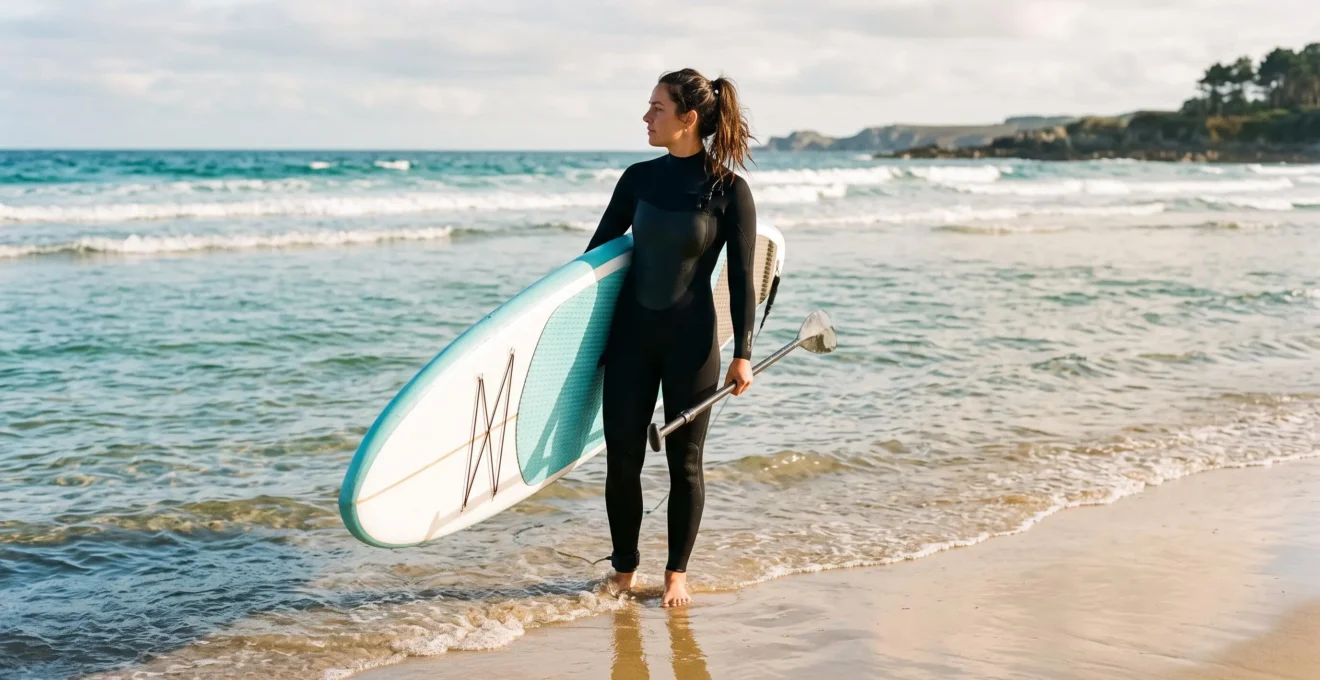
Paddleboarding and beach time: what conditions should you look for?
Paddleboarding is easiest when the sea is calmer and wind is lighter; if it is windy, a sheltered plan (or a simple beach walk) is often more enjoyable than forcing a session. Season: comfort is typically highest in warmer months, while shoulder seasons may suit short, well-timed outings if you have the right equipment. Level: beginners should stick to short sessions close to shore and avoid making long crossings part of a tight schedule.
Planning Your Outdoor Trip: Practical Tips and Next Steps
If you only remember one rule: choose activities that stack well together. On Île de Ré, cycling covers distance efficiently, walking adds a quieter “slow travel” moment, and tide-dependent shoreline time should be planned as a window, not an all-day commitment.
How do you prioritise outdoor activities for 1–2 days?
- Pick your backbone activity
For most visitors, cycling is the backbone because it links villages and landscapes quickly on flat terrain.
- Add one “slow” slot
Choose a walk in dunes or along a coastal path when you want fewer decisions and more atmosphere.
- Place one flexible weather/tide slot
Keep beach, paddleboarding, or low-tide shoreline plans adjustable so a change in wind or tide timing does not break your whole day.
- Lock in start times, not just places
In peak season, starting earlier is often the simplest way to avoid crowded stretches and enjoy the same scenery.
- If you have one day and it is peak summer:
Prioritise an early cycle loop + a late-afternoon walk; keep midday for a village pause and shade.
- If you have one weekend and you are a beginner:
Choose short, flat cycling between two villages, then a simple coastal footpath; avoid overpacking the schedule with tide constraints.
- If you want a nature-focused trip:
Build the day around walking-friendly areas and viewpoints, and treat cycling mainly as transport between calmer zones.
- If your must-do is low-tide activity:
Set your day around the low-tide window first, then fill the rest with cycling or village visits that can move by an hour if needed.
What outdoor activities can I do on Île de Ré in one weekend?
A balanced weekend plan is to use cycling to link villages and landscapes on day one, then keep day two for a shorter coastal walk and flexible beach time. This approach fits most fitness levels because the island is largely flat, and it reduces time lost to transport.
Which Île de Ré activities depend on tides or season?
Shoreline activities at low tide (including pêche à pied where permitted) depend directly on tide timetables and local restrictions. Water activities such as paddleboarding feel strongly season- and weather-dependent because wind and water temperature affect comfort and feasibility.
Is cycling or hiking better for exploring Île de Ré as a first-time visitor?
For a first visit with limited time, cycling is usually better for covering distance and seeing several villages in one day. Hiking is better when you want a slower pace and more detail in dunes or quieter coastal corners. Many short-stay visitors get the best of both by cycling first, then choosing one walk as a highlight.
What local rules should I keep in mind in protected natural areas?
Follow local signage and check official regulations before entering sensitive zones. For example, the Maison du Fier explains that the Lilleau des Niges site has two regulatory zones with different access rules, including restricted access in the nature reserve itself.
Once your backbone plan is set, the best next step is to double-check updated local information (access conditions, seasonal constraints, and any specific rules) before you leave—especially for protected natural areas and tide-dependent activities. That small check usually saves the most time on the ground.